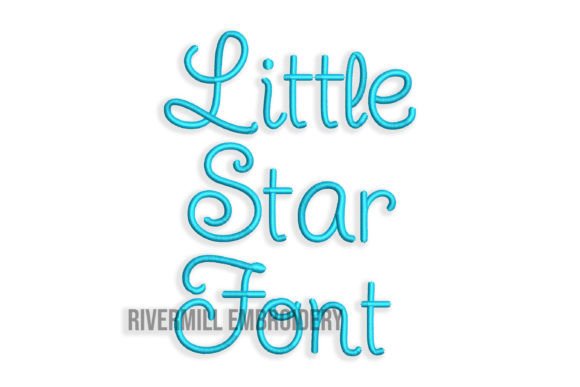
1 1 2 Little Star Embroidery Font Review
As an experienced embroidery designer who has spent years testing digital files for real-world production, I recently had the opportunity to evaluate the 1 1 2 Little Star Embroidery Font. My goal was simple: determine if this design could stand up to the rigorous demands of a busy personalized gift shop. Specifically, I wanted to see how it would perform on high-volume items like baby blankets and custom kitchen towels before committing to actual customer orders. After running several test stitches and visualizing potential product lines, here is my honest assessment of what makes this file special and where it fits best in your catalog.
First Impressions: Charm and Emotional Appeal
When you first open the 1 1 2 Little Star Embroidery Font, the immediate feeling is one of gentle whimsy. Unlike blocky sans-serif fonts that feel modern and industrial, or overly ornate scripts that can look stiff when digitized, this typeface strikes a perfect balance between playful and sweet. The "Little Star" theme suggests a celestial, dreamy quality that instantly evokes feelings of warmth and protection. It feels inherently handmade, even though it is a digital machine embroidery design.
The character set includes both upper and lower case letters along with numbers 0-9, which is essential for creating personalized messages. The sizing, indicated as 1 1 2, offers a versatile scale that works beautifully for names on small nursery tags or longer phrases on larger items. The mood is undeniably romantic and classic, making it an ideal choice for creators targeting the baby market or those looking to add a touch of nostalgia to wedding keepsakes. It does not scream for attention; rather, it whispers a story of love and care, which is exactly the emotional hook buyers look for when purchasing gifts.
Real-World Application for Gift Creators
In my planning phase, I imagined specific scenarios where this font would shine. The most obvious application is in the realm of baby embroidery. Picture a soft cotton muslin blanket embroidered with a name like "Emma" or "Leo" alongside a tiny star motif. The font's rounded edges prevent the stitching from looking harsh against delicate skin, ensuring the finished product feels safe and comforting. This same aesthetic translates perfectly to nursery decor, such as pillow covers or wall hangings where a soft, inviting atmosphere is required.
However, the versatility extends far beyond the nursery. For Etsy sellers and small business owners, this font is a goldmine for creating unique wedding gifts. Imagine a set of matching aprons for a newlywed couple, featuring their new shared surname in this charming style. It also works wonderfully on embroidered towels for bridal showers or custom tote bags for baby shower guests. The inclusion of numbers allows for meaningful dates, such as a wedding anniversary or a birth year, adding a layer of personalization that increases perceived value.
For craft fair products, the font's readability is a major asset. In a busy market environment, customers need to read the text quickly. The distinct shapes of the letters ensure that even at a glance, the message comes through clearly. Whether you are designing a custom embroidery project for a local boutique or preparing digital mockups for online listings, this font adds a professional yet approachable touch that helps products stand out.
Strategic Considerations and Limitations
While the charm of the 1 1 2 Little Star Embroidery Font is undeniable, every seasoned designer knows that context is everything. There are specific scenarios where caution is advised. Because the design relies on delicate details to convey its starry theme, it may struggle on very thick fabrics like heavy terry cloth towels unless the stitch density is adjusted carefully. If the fabric texture is too coarse, the fine points of the stars might get lost in the weave, resulting in a muddy appearance.
Stretchy fabrics, such as those used for baby onesies or fitted clothing, present another challenge. Without proper stabilization techniques, the tension of the thread can cause the fabric to pucker, distorting the lettering. Similarly, curved surfaces like baseball caps or rounded mugs require careful hoop placement to maintain the integrity of the font's shape. On dark fabrics, the contrast becomes critical; using light-colored threads is necessary to ensure the design pops, but this also means the underlying stabilizer must be visible enough to support the stitches without showing through the fabric itself.
Additionally, products that undergo frequent washing, such as kitchen linens or daily-use aprons, need robust construction. While this font looks beautiful on display, the longevity of the design depends heavily on the quality of the thread and the stability of the base fabric. It is less suitable for items that will be subjected to aggressive industrial laundering, where simpler, bolder designs often hold up better over time.
Boosting Value and Customer Trust
Using a high-quality embroidery file like this one directly impacts the perceived value of your personalized gift. Customers associate intricate, well-executed stitching with higher quality and greater effort. When a buyer sees a crisp, clear design with consistent thread colors, they are more likely to trust your brand and justify a higher price point. The 1 1 2 Little Star Embroidery Font adds a layer of sophistication that elevates a standard item into a cherished keepsake.
From a marketing perspective, this font enhances product photography. The soft curves and star elements create natural focal points in images, drawing the viewer's eye to the customization. For an Etsy seller or a small shop product creator, these visual cues are vital for driving engagement. A listing that features a mockup of a baby blanket with this specific font will likely resonate more deeply with parents looking for something unique compared to generic text options.
Practical Testing Notes for Production
Before integrating this design into your commercial workflow, there are several technical steps you must take. First, always test on scrap fabric that matches the texture and weight of your final product. This helps you gauge how the stitch density interacts with the material. Check the hoop size requirements to ensure you have enough space for the design without cutting off any characters.
Review the PES format compatibility with your specific machine model. Pay close attention to the thread color sequence provided in the file instructions to minimize thread changes during production. If you are working with dark fabrics, consider using a top stabilizer to prevent the background fabric from showing through the stitches. It is also crucial to confirm the commercial licensing terms before selling finished products; while the file is available for purchase, the rights to resell the physical goods vary by vendor.
Finally, inspect the finished sample under different lighting conditions. What looks good in bright studio lights might appear flat in natural daylight. Ensure that the small details, particularly the star points, are sharp and not clumped together. By taking these precautions, you ensure that the finished product meets the high standards expected by today's discerning buyers.
This review confirms that the 1 1 2 Little Star Embroidery Font is a valuable addition to any digital library focused on embroidery for babies and special occasions. With thoughtful execution and proper testing, it can become a signature element of your brand, helping you create memorable handmade products that families will treasure for years.