Baby Elephant Embroidery, Cute Hearts
I have spent years judging embroidery files before they ever hit a hoop, and I am always looking for that perfect balance between charm and commercial viability. Today, I am reviewing Baby Elephant Embroidery, Cute Hearts, a design that promises to be a standout in the crowded world of handmade goods. As an experienced designer preparing for a weekend craft fair, my goal is not just to admire the art but to determine if it will actually sell. Will this file turn into a bestseller on Etsy? Can it anchor a booth display at a local market? Let's dive into the real-world potential of this machine embroidery design.
First Impressions: The Power of Cuteness
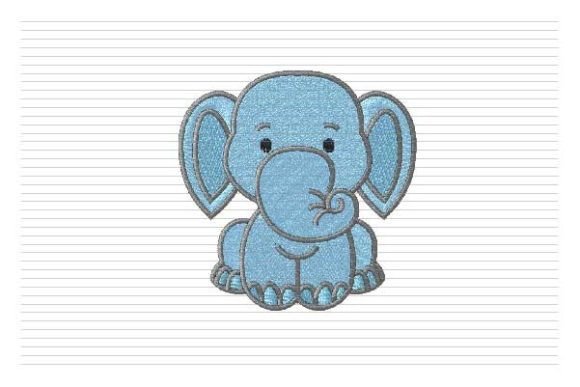
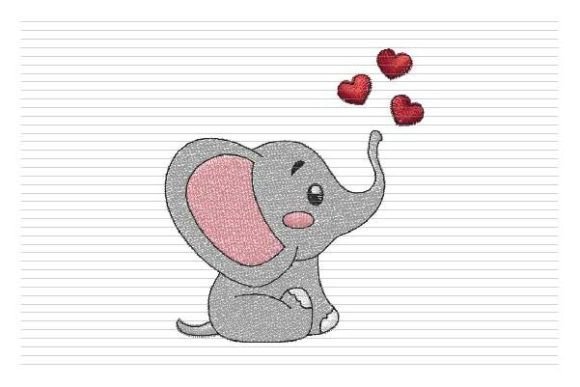
When you first look at Baby Elephant Embroidery, Cute Hearts, the immediate reaction is pure delight. The description highlights an adorable baby elephant with big, expressive eyes, a small trunk, and tiny ears. This is not a bold, farmhouse-style graphic or a rustic, weathered aesthetic. Instead, it leans heavily into the soft, modern, and premium categories that dominate the baby and gift markets. The inclusion of hearts adds a layer of emotional connection that is crucial for handmade product sales.
In a sea of generic patterns, this design stands out because it feels personal. It is decorative without being overwhelming. For a craft fair product, this level of cuteness is gold. Customers often make impulse buys based on how much joy a small item brings them, and a baby elephant with hearts hits that sweet spot perfectly. It feels like a small shop product that has been crafted with care, which is exactly what buyers are looking for when they support independent creators.
Product Versatility: Where This Design Shines
The true test of any embroidery file is its adaptability. Baby Elephant Embroidery, Cute Hearts is incredibly versatile, making it a prime candidate for a wide range of items. Imagine setting up your table at a craft fair with a variety of goods featuring this design. It would work beautifully as a tote bag design, where the cute motif serves as a focal point on a canvas tote. Parents love carrying their little ones around in style, and a tote with a baby elephant is a functional yet adorable accessory.
Kitchen textiles are another strong contender. A tea towel embroidery featuring this design would add a whimsical touch to a nursery or a child's playroom kitchen. Similarly, an apron embroidery piece could be a hit for parents who want to keep their clothes clean while cooking with their kids. The design also translates well to smaller items like fabric pouches, which are excellent for storing toys or accessories. These small pouches can be sold as standalone gifts or bundled with other items to increase the average order value.
For those selling digital assets or creating mockups, this design is a dream. You can create a printable mockup showing the design on a pillow cover or a cap. An embroidered patch version of the baby elephant would be perfect for customizing denim jackets or backpacks, appealing to older children and teens who still love cute aesthetics. Whether you are an Etsy seller or a boutique maker, having a design that works across multiple categories allows you to maximize your production time and reach a broader audience.
Production Practicality and Visual Appeal
From a production standpoint, Baby Elephant Embroidery, Cute Hearts needs to be evaluated for clarity and repeatability. At a glance, the design appears to rely on the expressiveness of the eyes and the shape of the trunk. If the stitch density is balanced correctly, the details will pop even from a distance. This is vital for a commercial embroidery setup where you might be running long batches. The design should photograph well for online listings, capturing the texture of the threads and the softness of the subject.
However, not all surfaces are created equal. On a curved cap surface, the design might need slight adjustments to ensure the face of the elephant doesn't look distorted. Thick fabrics like heavy canvas or textured towels can sometimes hide fine details, so testing is essential. If the design includes tiny lettering or very small hearts, there is a risk that these elements could get lost on larger, coarser fabrics. For the best results, I recommend using a smooth, light-to-medium weight fabric for the initial runs to ensure the thread colors stand out against the background.
The visual appeal of this design directly impacts customer attention. A well-executed Baby Elephant Embroidery, Cute Hearts on a finished product creates a sense of handmade quality that mass-produced items cannot match. When customers see the intricate stitching of the eyes and the soft curves of the trunk, they perceive higher value. This perception of quality is what drives engagement at a booth. People stop to look at things that look professionally made, and they are more likely to buy if the craftsmanship is evident.
Careful-Use Notes for the Savvy Maker
Before you start churning out inventory, there are specific areas where caution is required. Dense stitch areas can sometimes cause puckering, especially on lightweight fabrics. If the elephant's head is filled with dense satin stitches, you must ensure you are using the right stabilizer to support the fabric during stitching. Without proper support, the final product may look wrinkled and unprofessional, which is the last thing you want for a finished product.
Another critical factor is thread contrast. If you plan to embroider this on dark fabric, the white or light-colored threads of the elephant and hearts might not show up clearly unless you use a high-density underlay or a specific thread type. Conversely, on light fabrics, the design needs enough depth to avoid looking flat. Always check the stitch density in your software to ensure the design isn't too crowded, which can lead to needle breakage or poor definition.
If the design features tiny details like small pupils or delicate heart outlines, be wary of shrinking the size too much. A common mistake is trying to fit a large design onto a tiny pouch, resulting in a muddy, indistinct image. It is better to let the design breathe and use it as a medium-sized accent rather than forcing it into a corner. Remember, clarity sells better than complexity.
Designer's Checklist for Success
To ensure Baby Elephant Embroidery, Cute Hearts becomes a profitable addition to your collection, follow these practical steps. First, test the design on scrap fabric that matches your intended final material. This will help you gauge how the fabric texture interacts with the stitches. Second, review the spacing and confirm the hoop size fits your production workflow. You don't want to waste time re-hooping every single item if the design can be optimized.
Inspect the stitch density closely. If you notice areas where the stitches are too tight, consider adjusting the settings to prevent fabric distortion. Use the right stabilizer for the job; a cut-away stabilizer is often best for items that will be washed frequently, like aprons and tea towels. Create at least one real mockup of your product to see how it looks in person, not just on a screen. Compare different fabric colors to find the palette that makes the design pop. Finally, confirm your commercial licensing before selling finished products to avoid any legal issues down the road.
By following these guidelines, you can transform a simple digital embroidery file into a line of successful design assets. Baby Elephant Embroidery, Cute Hearts has the potential to be a star in your Embroidery portfolio, bringing joy to families and revenue to your business. With the right execution, it will be a favorite among craft fair shoppers and online buyers alike.