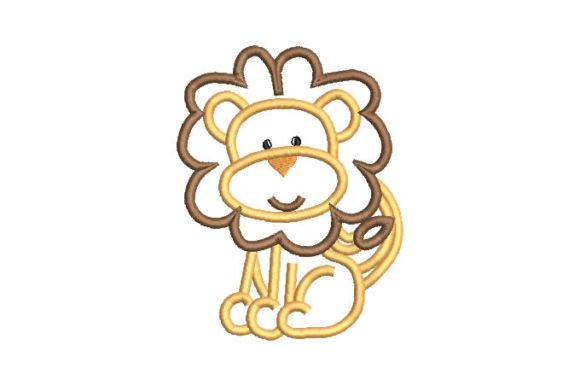
Child Lion with Applique Embroidery Design Review
Stepping into a craft fair booth requires more than just good products; it demands a cohesive visual story that stops passersby in their tracks. As an experienced embroidery designer, I am constantly evaluating new assets to determine if they have the "booth power" necessary to convert browsers into buyers. Today, I am reviewing the Child Lion with Applique Embroidery Design. The description promises to "embellish your fabrics" and add a "touch of charm" to towels, pillows, and home decor. But does this design truly deliver on those promises for a handmade market environment? Let's dive into the practical realities of turning this digital file into a best-selling physical product.
The First Impression: Charm Meets Craft Fair Appeal
When you first look at the title and description of the Child Lion with Applique Embroidery Design, the immediate feeling is one of playful warmth. The combination of a "child lion" subject matter with "applique" construction suggests a design that is likely softer and more dimensional than standard satin-stitch animals. In the crowded world of wild animals embroidery, cute often sells better than fierce. This design feels perfectly positioned for a modern farmhouse or whimsical boutique aesthetic. It isn't overly rustic or strictly minimal; instead, it strikes a balance between decorative and premium, making it ideal for parents looking for unique gifts or makers seeking high-end nursery accents.
The use of applique is a critical selling point here. Unlike flat embroidery, applique adds texture and depth, which photographs beautifully for online listings. For an Etsy seller or a digital product creator, this extra dimension translates directly to higher perceived value. Customers can almost feel the fabric layers from the screen, which is a powerful psychological trigger for purchase decisions.
Product Versatility: Where Does This Design Shine?
If I were setting up a table display for a weekend craft fair, where would I place the Child Lion with Applique Embroidery Design? My analysis points to several key categories where this design excels.
- Tote Bags and Market Bags: A tote bag is a canvas for self-expression. Placing this design as a large focal point on a natural cotton tote creates an instant statement piece. The applique technique ensures the design stands out against the fabric weave, making it a standout tote bag design.
- Kitchen Textiles: The description mentions towels specifically, and rightly so. An embroidered tea towel featuring a child lion adds a touch of whimsy to any kitchen. However, the success here depends heavily on the stitch density and how well the applique holds up after washing. If executed correctly, these become high-margin kitchen towel embroidery items.
- Pillow Covers and Home Decor: Pillows are soft goods that benefit immensely from the tactile nature of applique. This design could serve as a centerpiece on a throw pillow, creating a cozy, inviting vibe that fits perfectly in a baby shower gift basket or a nursery collection.
- Caps and Patches: While applique can be tricky on curved surfaces like caps, a smaller version of this design could work as a high-quality embroidered patch ready to be ironed or sewn onto denim jackets or beanies. This expands the potential customer base beyond just home goods.
For the creative entrepreneur, the versatility of this embroidery file means you aren't limited to one SKU. You can create a matching set: a matching apron, tea towel, and pillow cover. This bundling strategy increases the average order value for your handmade product line.
Production Realities and Selling Points
From a production standpoint, the Child Lion with Applique Embroidery Design requires careful consideration. The primary advantage of applique is its ability to hide imperfections in the underlying fabric, but it introduces new variables. Is the design too complex for quick batch production? If the applique pieces require intricate trimming or multiple stabilizer changes, it may slow down your workflow during peak sales seasons.
However, the visual payoff is significant. When customers see the finished product, the layered effect of the lion's mane or body parts created by the applique signals "handmade quality." It distinguishes your item from mass-produced machine prints. For a small shop product, this level of detail justifies a higher price point. The design also photographs exceptionally well for printable mockups and social media marketing. The contrast between the added fabric layer and the stitching creates shadows and highlights that make the image pop in an Instagram feed or Etsy listing.
One crucial factor for commercial sellers is repeatability. Can this design be scaled without losing clarity? If the Child Lion with Applique Embroidery Design relies on tiny, dense stitches for facial features, scaling it down might result in a muddy mess. Conversely, if the applique shapes are bold and simple, it will remain crisp even on smaller items like pouches or small patches.
Careful Use Notes: What to Watch Out For
Before committing to a full production run, there are specific technical hurdles you must address. Applique designs often involve dense stitch areas around the edges of the fabric cutouts. If the stitch density is too high, the needle may struggle to penetrate multiple layers of fabric, leading to skipped stitches or thread breaks.
Consider the fabric texture. On textured towels or thick fleece, the applique might not lay flat, ruining the clean lines of the lion. Similarly, on dark fabric, ensure the background fabric used for the applique provides enough contrast against the main garment. If the lion is meant to be white or light-colored, it will disappear on a black shirt unless a contrasting backing is used.
Another common pitfall is the size of the details. If the design includes small lettering or tiny eyes, these elements may get lost when stitched on a curved surface like a cap. Always verify the hoop size required by the design before attempting to embroider it. Large applique pieces often need larger hoops, which limits where you can place the design on certain garments.
Designer's Checklist for Success
To ensure the Child Lion with Applique Embroidery Design performs as expected in your booth or online store, follow these professional guidelines:
- Test on Scrap Fabric: Never start production on your final product. Stitch the design on scrap fabric to check how the applique layers behave and if the tension needs adjustment.
- Check Thread Contrast: Ensure the thread colors chosen for the lion stand out against both the applique fabric and the base material. Good contrast is essential for visual appeal.
- Review Spacing and Hoop Size: Confirm that the design fits within your machine's hoop capabilities and leaves enough margin for the fabric to hold securely.
- Inspect Stitch Density: Look closely at the digitizing. Are the edges of the applique too tight? Do they need to be loosened to prevent puckering?
- Use the Right Stabilizer: Applique often requires a heavier weight stabilizer to support the extra fabric layers. Using the wrong stabilizer can lead to distortion.
- Create a Real Mockup: Before listing the item, photograph the actual finished product. Digital mockups are great, but nothing sells like a photo of a real, tangible item.
- Confirm Commercial Licensing: Verify the terms of the digital embroidery file. Ensure you have the right to sell finished products made from this design, especially if you plan to list them on platforms like Etsy or Amazon Handmade.
In conclusion, the Child Lion with Applique Embroidery Design has strong potential to become a staple in a commercial embroidery business. Its blend of whimsical subject matter and textured applique construction offers a unique selling proposition that appeals to families and craft enthusiasts alike. By paying attention to production details and leveraging the design's visual strengths, you can create a booth display that captivates customers and drives sales. Whether you are a seasoned pro or a new craft fair product creator, this design is worth testing on your next project.