Kitchen Embroidery Design Review
As an experienced embroidery designer who spends countless hours testing digital files for both personal projects and commercial client orders, I approach every new download with a mix of excitement and skepticism. The market is flooded with designs, but finding that one piece that balances aesthetic charm with technical reliability is rare. Recently, I pulled up the Kitchen Embroidery design from Creative Fabrica to see if it had what it takes for a real-world project. My goal was simple: determine if this file could stand up to the rigors of a busy production schedule while maintaining the high standards expected by customers on platforms like Etsy or at craft fairs.
First Impressions and Visual Appeal
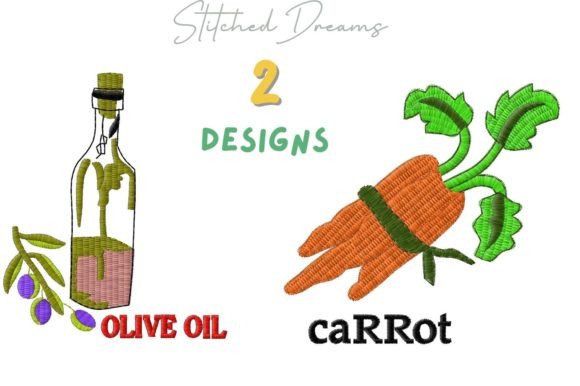
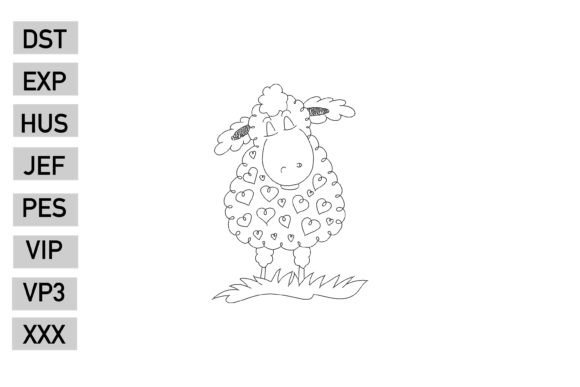
The moment you open the preview, the Kitchen Embroidery design exudes a warm, inviting mood that immediately suggests its intended use. It isn't just a collection of random shapes; it feels like a cohesive statement piece. For a designer looking to create a finished product that sells itself through photography, the visual balance is excellent. The layout offers enough negative space to allow the surrounding fabric texture to breathe, yet the central elements are detailed enough to command attention.
In terms of stitching personality, the design appears to utilize a thoughtful mix of satin stitches for clean outlines and fill stitches for depth. This combination is crucial for kitchen towels and aprons, where the embroidery needs to look crisp even after multiple wash cycles. The decorative appeal is strong without being overwhelming, making it perfect for tablemats or a dedicated chef's apron. It strikes a delicate balance between rustic charm and modern clarity, which is exactly what buyers in the handmade sector are currently seeking.
Performance in Real-World Applications
I evaluated this file with a specific scenario in mind: fulfilling a custom order for a boutique kitchen set. The versatility of Kitchen Embroidery is its strongest asset here. While the product description highlights kitchen linens, my experience suggests this embroidery file can transcend those boundaries. Imagine applying this design to a sturdy tote bag for a cooking class giveaway, or perhaps as a playful accent on a sweatshirt for a home chef gift.
For Etsy sellers and small business owners, the ability to pivot a single design across different products is vital for profitability. This design could easily serve as the centerpiece for a nursery decor item, adding a whimsical touch to a baby blanket. Alternatively, it works beautifully as a custom apparel detail on a cap or a small embroidered patch for denim jackets. The design assets provided seem robust enough to handle these varied applications, provided the user accounts for the specific fabric properties of each item.
Technical Considerations and Stitch Density
However, no review is complete without addressing the practical realities of machine embroidery. When working with complex designs, stitch density and placement are paramount. If the Kitchen Embroidery file contains dense fill areas, it may require careful stabilizer selection to prevent puckering, especially on stretchy fabrics like jersey or thin cotton blends. Before committing to a large batch, I strongly advise testing on scrap fabric to gauge how the stitch density interacts with your specific material.
For smaller hoop sizes, designers must pay close attention to any tiny lettering or intricate details. Sometimes, what looks clear on a screen can become muddy when stitched at a reduced scale. If you plan to use this for pillow covers or kitchen towels, ensure the design fits comfortably within your standard hoop dimensions without cutting off essential elements. Additionally, if you are working with dark fabric, the thread color contrast will be critical. A light background might need underlay adjustments to make the colors pop, whereas dark fabric may require a different thread palette to maintain visibility.
Navigating Fabric Challenges
Curved surfaces, such as caps or rounded tote bags, present another layer of complexity. The design's geometry should be checked against curved digitizing principles to ensure it doesn't distort during the hooping process. Furthermore, for items that need frequent washing, like cooking aprons or kitchen towels, the durability of the stitches is non-negotiable. High-density areas can sometimes trap moisture or wear down faster if not properly anchored. Always inspect the finished product after a test wash to confirm that the machine embroidery design holds up to real-life conditions.
Impact on Product Value and Brand Consistency
Beyond the technical execution, the quality of the design directly influences buyer trust and perceived value. In the world of handmade products, customers are often willing to pay a premium for items that show attention to detail. A well-executed Kitchen Embroidery project elevates a simple towel into a luxury gift item. This level of quality enhances your brand consistency, signaling to customers that you care about the integrity of your work.
When photographing your creations for listings or social media, a design with good definition and clean lines will translate much better than a blurry or distorted one. This visual appeal drives customer engagement and increases the likelihood of a sale. Whether you are creating a personalized gift for a friend or a line of commercial embroidery goods for a shop, the professionalism of the design matters. It transforms a basic commodity into a cherished keepsake.
Practical Steps for Success
To get the most out of this file, there are several steps every designer should take before starting production. First, always review the file details and licensing terms on the Creative Fabrica product page. Understanding the scope of your license is essential for selling finished items legally and ethically. Second, check the thread colors recommended by the designer and compare them against your own inventory to ensure the best contrast.
Do not skip the step of reviewing light and dark fabric mockups to visualize the final result. Use proper stabilizer appropriate for the fabric weight; for example, cut-away stabilizers are often best for stretchy materials, while tear-away works well for stable wovens. Finally, inspect the small details after stitching to ensure that the running stitch or satin stitch elements have not broken or tangled. By following these guidelines, you can confidently integrate Kitchen Embroidery into your workflow.
In conclusion, Kitchen Embroidery appears to be a solid addition to any designer's library. It offers the right blend of charm and structure to support a wide range of projects, from seasonal handmade gifts to professional boutique merchandise. With careful planning regarding fabric choice and stabilization, this design has the potential to become a staple in your creative arsenal. For those looking to expand their digital embroidery file collection with a reliable, versatile option, this design is certainly worth considering for your next creative endeavor.