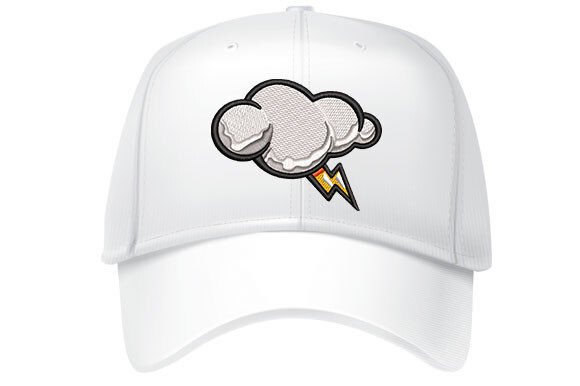
Lightning Embroidery: A Designer's Review for Small Business Merch
As a professional embroidery designer who has spent years refining designs for commercial use, I approach every new digital file with a critical eye. When evaluating Lightning Embroidery, my primary focus is not just on aesthetics, but on its viability as a core asset for small business merchandise and branded patches. The product description highlights that this is a "cool and simple" design intended to create striking items. For a brand owner, those two words—simple and striking—are the sweet spot of profitable embroidery.
This review serves as a practical guide for apparel decorators, Etsy sellers, and handmade brands considering this machine embroidery design for their inventory. We will explore how Lightning Embroidery performs when applied to real-world business assets like staff uniforms, tote bags, and custom caps, while highlighting where caution is required to ensure a premium finished product.
First Impressions: Bold Simplicity Meets Brand Potential
The initial assessment of Lightning Embroidery suggests a design that balances modern energy with classic utility. In the crowded marketplace of digital embroidery files, complexity often leads to production headaches. This design appears to avoid that trap by offering a straightforward visual language. The name itself evokes speed, energy, and impact, which translates well into a visual mark for a brand identity.
For a small business looking to establish recognition, a logo or accent needs to be legible at various sizes. The "simple" nature of this design implies it likely avoids excessive detail that could blur during the stitching process. Whether your brand is a creative studio, a local bakery, or a pet supply shop, a clean, bold motif works better than intricate patterns that lose definition on textured fabrics. This design feels ready to serve as a focal point rather than just a decorative afterthought.
Real-World Application: From Patches to Product Labels
The true test of any embroidery file is how it behaves in mass production or high-volume orders. Let us imagine a scenario where a boutique coffee shop wants to launch branded merchandise. They need staff aprons, customer tote bags, and perhaps a specific cap design for their team.
- Embroidered Patches: Lightning Embroidery is an excellent candidate for creating iron-on or sew-on patches. Because the design is described as simple, it should stitch cleanly even on smaller patch sizes, provided the density is managed correctly. These patches can be affixed to denim jackets, backpacks, or uniform vests, adding a layer of perceived value to the item.
- Apron Embroidery: For cafes and bakeries, the chest area of an apron is prime real estate. A lightning bolt motif adds a dynamic touch without overwhelming the wearer. It signals energy and service, making it ideal for staff branding.
- Tote Bag Design: Canvas and cotton totes are staples for craft businesses. This design would work beautifully as a central chest logo or a subtle side accent. Its simplicity ensures it does not compete with the fabric texture, allowing the embroidery to stand out clearly.
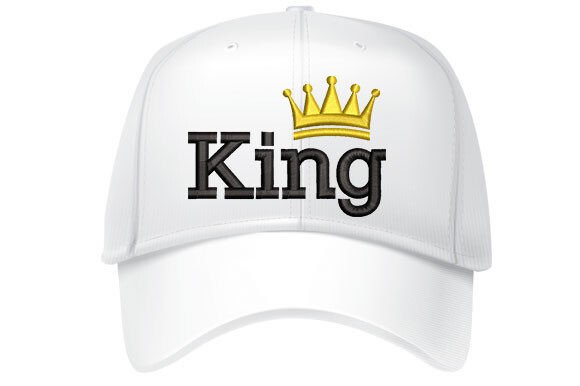
- Cap Embroidery: Curved surfaces present challenges for many designs. However, a streamlined motif like this one is generally forgiving on the curved front panel of a baseball cap. It creates a sharp, professional look that customers associate with quality.
- Product Packaging Accents: Beyond clothing, this design can be used on branded tags attached to handmade goods. Adding a small stitched lightning bolt to a hangtag elevates the unboxing experience, reinforcing the idea of a premium handmade product.
Strategic Considerations and Limitations
While Lightning Embroidery shows great promise, a professional designer must always consider the limitations of the medium. Not every surface is suitable for every design, and ignoring these factors can lead to costly rework.
Small Patch Sizes: If you intend to use this design for very small patches (under 2 inches), you must verify the stitch density. High-density areas can cause the fabric to pucker, ruining the shape of the lightning bolt. Always test the smallest size you plan to offer before committing to a full run.
Curved Surfaces and Cap Fronts: While the design is simple, placing it on highly curved items requires precise digitizing adjustments. If the file was not optimized for caps, the top of the bolt might stretch or the bottom might bunch. Ensure your digitizer has accounted for the curvature of the hat.
Fabric Texture and Dark Uniforms: On heavily textured fabrics like heavy denim or boucle, fine lines may get lost. Similarly, on dark uniforms, the thread colors chosen must have sufficient contrast. If the design relies on thin outlines, they may disappear against a black background unless a high-quality underlay is used.
High Stitch Density: Designs with dense fills require more time to stitch and can make the fabric stiff. For items that need to remain flexible, like a fitted shirt sleeve or a soft tote bag, check if the design utilizes too much fill. A good rule of thumb is to keep the design airy enough to maintain the drape of the garment.
Impact on Brand Identity and Customer Trust
In the world of small business merch, consistency is key. Customers trust brands that pay attention to detail. A poorly executed embroidery job can signal carelessness, whereas a crisp, clean design builds confidence.
Using Lightning Embroidery effectively can enhance your brand identity. It communicates a sense of modernity and punchiness. When a customer sees a well-stitched logo on a high-quality tote or a neatly embroidered cap, they perceive higher value in the associated products. This visual consistency across different product categories—from aprons to packaging—creates a cohesive finished product line that encourages repeat purchases.
Furthermore, for creators selling on platforms like Etsy, having professional-grade design assets is a competitive advantage. A unique, well-executed motif helps your shop stand out in search results and social media feeds. It transforms a generic item into a branded piece of art.
Practical Designer Notes for Production
Before you upload this file to your production queue, there are several technical steps you must take to ensure success. As an experienced designer, I cannot stress enough the importance of pre-production testing.
- Test in Black and White First: Convert your mockup to grayscale to ensure the design holds its shape without relying on color contrast alone.
- Check Small Patch Size: Simulate the design at your minimum production size to see if details remain distinct.
- Review Thread Color Contrast: Select threads that pop against your target fabric. Avoid colors that blend too closely with the material.
- Inspect Spacing: Ensure there is adequate space between stitches to prevent thread breakage and fabric distortion.
- Confirm Hoop Size: Verify that the design fits within your standard hoop dimensions to maximize efficiency.
- Test on Real Fabric: Do not rely solely on digital mockups. Stitch the design on the actual fabric you intend to sell to check for puckering or tension issues.
- Use Proper Stabilizer: The choice of stabilizer is crucial. Heavy-duty items may need cut-away stabilizers, while lightweight totes might only require tear-away.
- Create a Printable Mockup: Before sending to production, generate a realistic mockup for client approval to manage expectations.
- Compare Design Assets: Place Lightning Embroidery alongside your other brand elements to ensure visual harmony.
- Confirm Commercial Licensing: Most importantly, verify that your purchase includes the rights to use this design for commercial resale. Check the specific terms regarding commercial embroidery projects.
Finally, remember that the product description mentions multiple file formats, but exact specifications like stitch count or recommended hoop sizes are not detailed in the summary. You must consult the specific download package to confirm these technical details. Ignoring the specific requirements of the digital embroidery file can lead to frustration and wasted materials.
Ultimately, Lightning Embroidery offers a versatile foundation for building a strong brand presence. By approaching it with a strategic mindset and rigorous testing protocols, small business owners can turn a simple design into a powerful tool for growth and customer engagement.