Spanish Christmas Santa Claus Embroidery Review
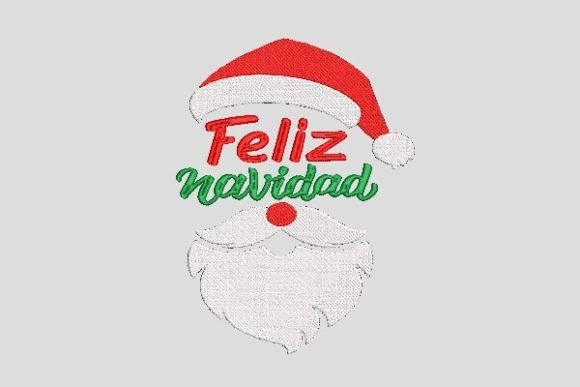
Stepping into the holiday market season requires more than just a good inventory; it demands designs that stop shoppers in their tracks. As an experienced embroidery designer who has spent countless weekends setting up booths for craft fairs and managing handmade shops, I know exactly what separates a "nice to have" item from a bestseller. Recently, I evaluated a specific machine embroidery design titled Spanish Christmas Santa Claus Embroidery. This piece features a festive Santa Claus face paired with the elegant lettering of Feliz Navidad. After running this through my mental checklist for booth displays, production viability, and customer appeal, here is my professional review on how this design performs in the real world.
The First Impression: Warmth and Cultural Charm
When you first look at the preview of Spanish Christmas Santa Claus Embroidery, the immediate feeling is one of warmth and inclusivity. In a sea of generic red-and-green Santa motifs, the inclusion of Spanish text immediately elevates the aesthetic. It feels less like a mass-produced factory item and more like a thoughtful, artisanal touch. The combination of the Santa face and the Feliz Navidad script suggests a blend of traditional holiday cheer with a touch of rustic elegance or modern cultural flair.
This design does not scream "loud" in a chaotic way; instead, it whispers sophistication. For an Etsy seller or a boutique maker, this distinction is crucial. Customers browsing a handmade market are often looking for items that tell a story or reflect a personal identity. A design that celebrates a bilingual heritage or simply adds a unique global twist stands out significantly against standard Christmas patterns. It strikes a balance between being cute and being premium, making it suitable for a wide range of product categories without feeling childish or overly commercial.
Product Versatility: Where This Design Shines
The true test of any embroidery file is its adaptability across different merchandise. Based on the description and visual potential, Spanish Christmas Santa Claus Embroidery offers exceptional versatility for craft fair sellers. Here is how I envision this design performing on various high-demand items:
- Tote Bags and Market Bags: These are the bread and butter of any holiday pop-up shop. Placing the Santa face and lettering on a sturdy canvas tote creates a bold focal point. The design works beautifully as a large chest print or a centered pocket detail. The contrast of the colorful thread against natural cotton or dark denim will make the Feliz Navidad text pop, encouraging passersby to pick up the bag.
- Aprons and Tea Towels: For the home cook or baker selling kitchen goods, this design is perfect. On a white or cream tea towel, the embroidery looks crisp and decorative. On a bistro apron, it adds a playful yet professional touch to the booth display. It transforms a utilitarian item into a giftable keepsake.
- Embroidered Patches and Caps: If you offer custom patches, this design has the right level of detail to work well as an iron-on or sew-on accessory. However, for caps, the curved surface requires careful hoop placement. The facial expression of the Santa needs to remain clear despite the curve, which makes this a great test of your machine's stability.
- Pillow Covers and Home Decor: Soft furnishings allow for larger stitch areas. A pillow featuring this design can serve as a centerpiece on a craft table. It invites customers to imagine the item in their own living rooms during the holidays.
Selling Strategy and Visual Appeal
In a crowded marketplace, visual hierarchy is everything. Spanish Christmas Santa Claus Embroidery excels here because the lettering acts as a secondary anchor to the primary image of Santa. When photographing these items for Etsy listings or social media, the text provides excellent copy space. You can capture close-ups that highlight the texture of the stitches while still showing the full message.
For booth display strength, repetition is key. Because the design is versatile, you can create a cohesive collection. Imagine a row of aprons, a stack of matching tote bags, and a wall of patches all featuring the same motif. This consistency builds brand authority and signals to buyers that you are a serious creator with a curated line. The "handmade quality" of the stitching becomes evident when the design is executed cleanly, justifying a higher price point compared to printed alternatives.
Production Realities and Technical Considerations
While the design is promising, a professional must always approach production with caution. Before committing to a bulk run for a weekend fair, there are several technical factors to consider regarding Spanish Christmas Santa Claus Embroidery.
Stitch Density and Detail: The description mentions a Santa face and lettering. Faces require delicate detailing, and small lettering can easily become muddy if the stitch density is too high or the fabric is too textured. If you are embroidering on thick towels or heavy denim, ensure the stabilizer is robust enough to support the tension. Conversely, on light fabrics, the design might pucker if the underlay is insufficient.
Thread Contrast and Color: The success of this design relies heavily on thread choice. To make the Feliz Navidad legible, the thread color must contrast sharply with the background fabric. On dark fabrics, a white or gold thread for the lettering would be essential to maintain readability. Always test your thread colors against your specific fabric swatch before starting the final batch.
Hoop Size and Placement: Verify the recommended hoop size for the design. If the design is intended to be small (like on a cap), ensure the details do not get lost. If it is a large focal design, confirm that your machine can handle the dimensions without needing to split the file. Splitting a design can sometimes ruin the flow of the lettering, so a single-hoop solution is preferable if possible.
Critical Checklist for Sellers
To ensure your finished products meet the high standards expected by craft fair attendees, follow this practical workflow:
- Test on Scrap Fabric: Never go straight to your retail-ready items. Run the design on scrap pieces of the exact fabric you plan to sell. Check for puckering, thread breaks, and clarity of the face details.
- Inspect Stitch Density: Look closely at the dense areas of the Santa face. Are there gaps? Is the fabric visible through the threads? Adjust the density settings if necessary.
- Create Real Mockups: Digital mockups are helpful, but nothing sells better than a physical sample. Create at least one real-world prototype of your top product (e.g., a tote bag) to show customers the actual texture and depth of the embroidery.
- Check Commercial Licensing: Before selling finished goods made from this digital embroidery file, confirm the licensing terms. Ensure you have the right to sell the physical products, especially if the design includes copyrighted characters or fonts.
- Compare Fabric Colors: Test the design on at least three different fabric colors to see which offers the best visual impact. Sometimes a navy blue background makes the red and green threads sing louder than a plain white one.
Final Verdict
Spanish Christmas Santa Claus Embroidery is a strong contender for any holiday collection aimed at the handmade market. Its unique blend of cultural elements and classic iconography gives it a distinct edge over generic designs. Whether you are a seasoned commercial embroidery business owner or a creative entrepreneur launching a new line, this design offers the flexibility to create a diverse array of profitable products.
By paying attention to the technical details—stabilizers, thread contrasts, and fabric textures—you can transform this digital asset into a tangible source of income. When displayed correctly, it captures the spirit of the season while offering the unique charm that today's consumers crave. With careful preparation and a focus on quality, this design could easily become a standout hit in your next craft fair booth.