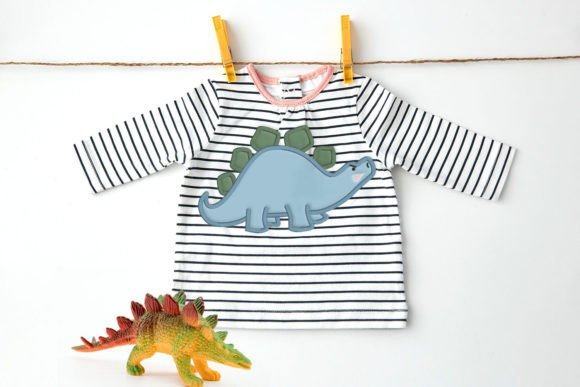
Stegosaurus Dinosaur Applique Embroidery
I have spent years judging machine embroidery designs for craft fair booths and online boutiques. When I first looked at the Stegosaurus Dinosaur Applique Embroidery, my mind immediately went to a weekend market setup. The description promises an adorable yet ferocious stegosaurus, which is a powerful combination for selling handmade goods. As a designer preparing for a booth, I am not just looking at the image; I am evaluating how this piece will translate into physical products that customers want to touch and buy.
First Impressions: Bold, Cute, and Ready to Sell
The moment you read the title and see the preview of the Stegosaurus Dinosaur Applique Embroidery, the vibe is clear. It feels playful but substantial. The word "ferocious" suggests a character with personality, while "adorable" ensures it appeals to children and collectors alike. For a craft fair seller, this design hits the sweet spot between modern fun and rustic charm. It is not overly delicate or minimalist; it has enough visual weight to stand out on a crowded table display.
In a sea of generic floral patterns or simple text, a dinosaur applique commands attention. The applique technique itself adds a layer of dimension that flat embroidery often lacks. This texture is crucial for handmade product value. Customers love seeing the layers of fabric, as it signals quality craftsmanship. This design feels premium enough to justify a higher price point on items like aprons or tote bags, yet friendly enough to be an impulse buy in the gift aisle.
Product Potential: Where Does This Design Shine?
When planning my booth display, I evaluate where a specific design fits best. The Stegosaurus Dinosaur Applique Embroidery is versatile, but it excels in specific categories. Let's look at how it performs across different handmade products.
- Tote Bag Design: This is arguably the strongest application. A large, colorful stegosaurus on a canvas tote bag creates an instant statement piece. Parents buying these for kids' school or outings will appreciate the durability of applique over standard stitching. It becomes a functional accessory that doubles as art.
- Apron Embroidery: For the parent who loves cooking with their little ones, an apron featuring this design is a perfect gift. The bold nature of the stegosaurus works well against the solid colors often found in kitchen wear. It transforms a utilitarian item into a personalized keepsake.
- Tea Towel Embroidery: Kitchen towels are high-volume sellers at craft fairs. Placing the design centrally or in a corner allows the pattern to pop without overwhelming the fabric. The contrast of the applique threads against the towel weave adds a tactile element that shoppers love to feel.
- Embroidered Patch: If the file includes clean edges, this could be sold as a detachable patch. Kids can stick it on backpacks, jackets, or hats. This expands your revenue stream by offering a lower-priced entry point for buyers.
- Pillow Covers and Home Decor: Bed sets and pillowcases are excellent for larger hoop sizes. The "ferocious" aspect makes it great for a child's room theme, creating a cohesive look when paired with other bedding items.
Visual Appeal and Customer Attention
In a physical setting, lighting and distance matter. The Stegosaurus Dinosaur Applique Embroidery needs to be visible from three feet away. Applique designs generally have better visibility than dense stitch work because they use distinct fabric shapes. However, the thread colors must be chosen carefully to ensure the dinosaur stands out against the background fabric. If you are an Etsy seller creating printable mockups, ensure the lighting in your photos highlights the raised texture of the applique. A flat photo can make a dimensional design look dull.
For booth display strength, grouping similar items together works best. Imagine a wall of tote bags, each with a different dinosaur, with the Stegosaurus taking center stage. The unique shape of the stegosaurus plates (the back plates) offers a natural focal point that draws the eye. This helps drive buyer engagement, as people stop to inspect the details of the plates and the stitching.
Production Realities: What You Need to Know
As an experienced designer, I know that a pretty design does not always equal an easy production run. Before mass-producing this embroidery file, there are critical technical checks required. Applique requires a different mindset than standard fill stitches. You are cutting fabric and stitching it down, which introduces variables that do not exist in single-color designs.
Stitch Density and Thread Colors: Check the density of the design. If the area around the stegosaurus is too dense, the fabric may pucker, especially on thin materials like tea towels or lightweight cotton. Conversely, if the design relies on tiny details for the eyes or mouth, those might get lost if the hoop size is small. Ensure the thread colors selected offer high contrast. A dark green stegosaurus on a navy blue shirt might disappear. Brighter threads usually sell better for children's products.
Hoop Size and Stabilizer: Confirm the recommended hoop size before starting. If the design is meant for a large garment but you try to fit it in a small hoop, you risk misalignment. Furthermore, applique almost always requires a cut-away stabilizer to support the extra weight of the fabric layers. Using the wrong stabilizer can lead to sagging or distortion during washing. Always test the design on scrap fabric first to see how the fabric behaves under the needle.
Fabric Texture and Curved Surfaces: While this design looks great on flat surfaces like pillows and aprons, applying it to curved cap surfaces can be tricky. The curvature might distort the applique shape if the base fabric stretches. Be cautious with textured towels; the loops in terry cloth can interfere with the clean lines of the applique edges. For commercial embroidery projects, consistency is key. If you produce 50 tote bags, every single one must look identical. Batch production requires strict adherence to your testing protocols.
Selling Strategy and Licensing
For digital sellers and boutique makers, the commercial licensing terms are non-negotiable. You must verify that the license allows you to sell finished products made with this design. Some files are for personal use only, while others allow unlimited sales. Without proper licensing, your business is at risk.
When creating listings for platforms like Etsy, focus on the emotional connection. Describe the design as "perfect for dinosaur lovers" or "adds a prehistoric touch to any outfit." Use terms like handmade product and machine embroidery design to help with searchability. Show close-up shots of the applique edge to prove the quality of your workmanship. Buyers need to trust that your finished product will hold up to real-world use.
Remember that not every design works for every medium. If the design contains very small lettering or intricate details, it may lose clarity when printed on small items like patches or pouches. In those cases, it is better to position the design as a large accent rather than a small detail. Always compare fabric colors against your final design to ensure the visual impact remains strong.
Final Verdict for the Craft Fair Seller
The Stegosaurus Dinosaur Applique Embroidery is a standout asset for any creative entrepreneur. It balances the whimsical nature of dinosaurs with the professional finish of applique work. Whether you are making gifts, souvenirs, or core inventory for your shop, this design has the potential to become a bestseller. By paying attention to stitch density, fabric choice, and proper stabilization, you can turn this digital asset into tangible, high-value merchandise that customers will cherish.
Before you rush to the hoop, take the time to create at least one real mockup. See how the light hits the fabric layers. Check the spacing. Once you are confident in the execution, you will have a product that not only looks good in person but also photographs beautifully for your online store. This is the kind of thoughtful preparation that separates hobbyists from successful business owners.