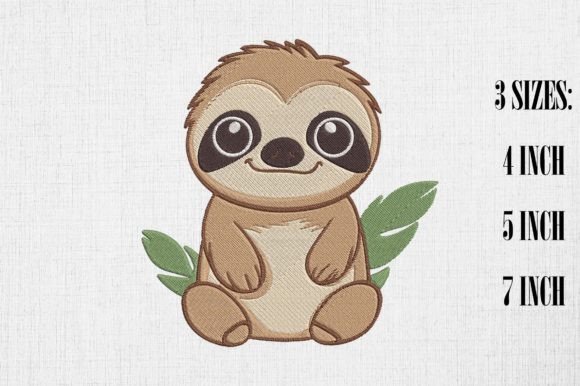
Cute Kawaii Sloth Embroidery Design Review
In the world of small business merchandise and branded goods, visual appeal is just as critical as product quality. As an experienced embroidery designer who has reviewed thousands of digital assets for clients ranging from boutique apparel shops to local cafes, I look for designs that balance charm with technical feasibility. Today, we are reviewing the Cute Kawaii Sloth Embroidery Design. This piece falls squarely into the Baby Animals category within the broader Embroidery niche, but its application potential extends far beyond simple novelty.
This review evaluates how this specific design performs when transitioned from a digital file to physical products such as embroidered patches, staff uniforms, caps, tote bags, and custom apparel. The goal is to determine if it serves as a viable asset for commercial embroidery projects where brand identity and professional presentation are paramount.
First Impressions: Personality and Visual Impact
Upon initial inspection, the Cute Kawaii Sloth Embroidery Design exudes a playful, friendly, and modern aesthetic. The "kawaii" style inherently suggests softness, approachability, and warmth—traits that are highly desirable for brands targeting families, children, or those seeking a relaxed, welcoming atmosphere. Unlike rigid corporate logos, this design feels handmade and artisanal, which resonates strongly with Etsy sellers and craft business owners who pride themselves on unique, personalized touches.
The visual personality here is not bold or aggressive; rather, it is gentle and inviting. For a small café, bakery, or florist, this sloth can serve as a charming accent that humanizes the brand. It suggests that the business cares about detail and enjoys creating delightful customer experiences. However, designers must recognize that while the design is cute, its effectiveness relies heavily on execution. A poorly digitized kawaii design can look messy or cheap, so the underlying structure of this embroidery file is crucial.
Real-World Business Applications
One of the strongest selling points of this design is its versatility across various product categories. The description notes that you can embroider this design on clothes, baby’s onesies, home decor, t-shirts, tablecloths, kitchens, towels, and more. Let us break down how this translates to real business use cases.
- Emblematic Patches: This design works exceptionally well as an embroidered patch. Whether iron-on or sewn onto denim jackets, backpacks, or aprons, the sloth acts as a focal point. For pet brands or nurseries, a patch featuring this character can become a signature mark of quality.
- Staff Uniforms and Aprons: In hospitality settings, such as a trendy brunch spot or a cozy tea room, adding this design to the chest area of an apron or a work shirt adds a layer of personality without compromising professionalism. It helps staff feel connected to the brand’s whimsical theme.
- Cap Embroidery: For outdoor events or farm-to-table markets, placing this design on the front panel of a cap creates instant recognition. The compact nature of most kawaii designs allows them to fit neatly on curved surfaces like hats without losing detail.
- Tote Bag Design: A tote bag design featuring this sloth appeals directly to the eco-conscious consumer. It transforms a utilitarian item into a fashion statement, encouraging customers to carry your brand logo wherever they go.
- Boutique Merchandise and Customer Gifts: Small businesses often use branded items as loyalty rewards. A high-quality embroidered onesie or towel with this motif adds perceived value to the handmade product, making it feel like a premium gift rather than a mass-produced trinket.
Strategic Brand Identity and Trust
Using the Cute Kawaii Sloth Embroidery Design strategically can significantly impact your brand identity. Consistency in visual language builds customer trust. When a buyer sees the same charming sloth on your packaging, your social media, and your physical products, it reinforces brand recognition. It signals that your business is cohesive and thoughtful.
Furthermore, this design enhances buyer engagement. Customers are more likely to share photos of unique, adorable merchandise on social media. By providing a visually distinct and emotionally appealing design, you encourage user-generated content, which serves as organic marketing for your small business merch.
Technical Considerations and Risk Areas
While the aesthetic is strong, an experienced designer must always evaluate technical limitations. Not every surface or fabric type is suitable for this design. There are specific areas where caution is required to ensure the finished product meets professional standards.
- Small Patch Sizes: If you plan to reduce this design to a very small size (under 2 inches), you must inspect the stitch density. Fine details may merge together, resulting in a muddy appearance. Always test at the intended final size.
- Curved Surfaces: While caps are common, complex curves can distort the image. Ensure the design is digitized with proper underlay stitches to prevent puckering on rounded surfaces.
- Fabric Texture and Stability: Textured fabrics, such as heavy canvas or loose-weave linen, can hide fine details. Conversely, slippery fabrics may require additional stabilizer to keep the design crisp. Using the wrong stabilizer can lead to misalignment or thread breaks.
- Detailed Outlines and Lettering: If the design includes tiny text or intricate outlines, verify that these elements remain legible. On dark uniforms or low-contrast threads, fine lines can disappear entirely.
- High Stitch Density: Excessive stitching can make garments stiff and uncomfortable, especially on baby’s onesies or lightweight t-shirts. Ensure the digitizer has optimized the stitch count for comfort and durability.
Practical Designer Notes for Production
Before committing this digital embroidery file to full production runs, follow these essential steps to safeguard your investment:
- Test in Black and White: Convert the design to monochrome to check contrast levels. This helps identify any weak areas that might get lost in color.
- Review Thread Color Contrast: Select thread colors that pop against your target fabric. Pastel threads on light fabrics may lack definition, while neon threads might clash with the gentle kawaii vibe.
- Inspect Spacing and Hoop Size: Confirm that the hoop size accommodates the entire design without awkward trimming. Proper spacing ensures even tension across the fabric.
- Test on Real Fabric: Never rely solely on screen previews. Embroider a sample on the actual material you intend to sell. This reveals how the fabric texture interacts with the threads.
- Create a Printable Mockup: Use a printable mockup to visualize the design on your final product before sewing. This is invaluable for client approval and marketing materials.
- Compare Design Assets: Place this design beside other design assets in your collection to ensure visual consistency. Does it match the style of your other offerings?
- Confirm Commercial Licensing: Most importantly, verify that you have the right to use this design for commercial embroidery. Check the license terms to avoid legal issues.
Final Verdict
The Cute Kawaii Sloth Embroidery Design is a versatile and charming asset for small business owners looking to add a touch of whimsy to their custom apparel and branded goods. Its strength lies in its ability to evoke positive emotions and enhance brand personality. However, success depends on careful technical execution.
By understanding where the design shines—such as on aprons, caps, and tote bags—and respecting its limitations regarding size and fabric choice, you can create high-quality products that resonate with customers. Remember to check specific details like stitch count, file format, and hoop size before production, as these factors were not explicitly detailed in the product description but are critical for professional results. With proper planning, this design can become a standout feature in your merch creator toolkit.