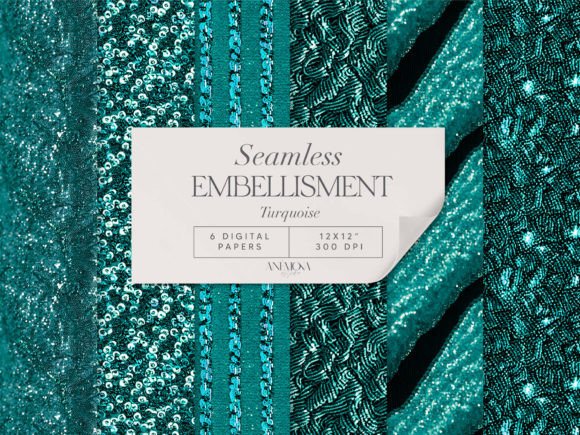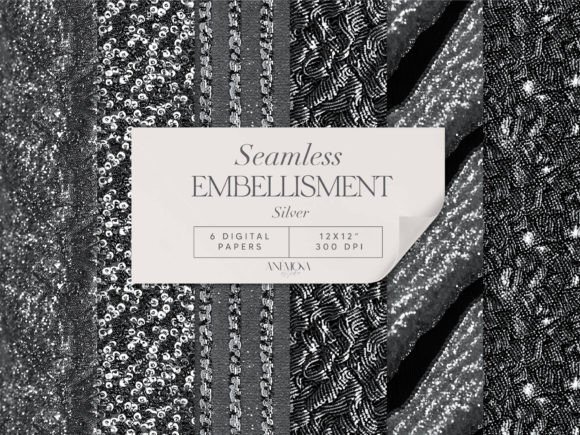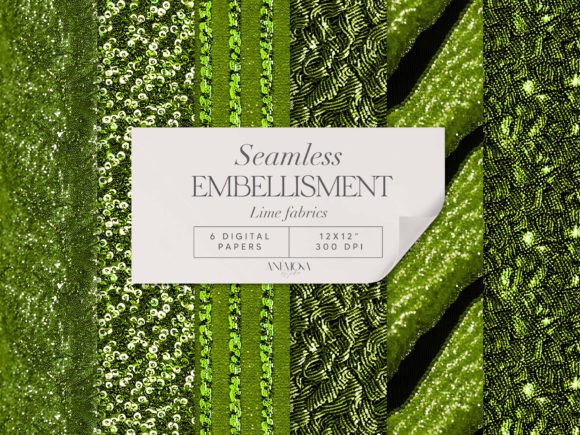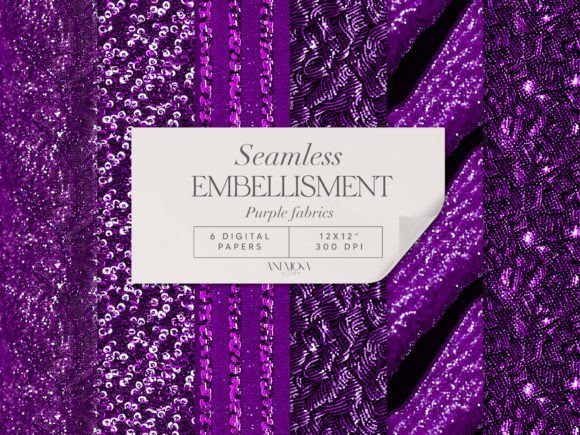
Red Embroidery Sequin Fabric Paper Review
I have been designing for the craft fair circuit for over a decade, and I know exactly what makes a table pop. When you are standing behind a booth on a busy Saturday, your craft fair product needs to stop people in their tracks before they even read the price tag. Recently, I received a look at the Red Embroidery Sequin Fabric Paper, a digital asset from Anemona Estudio that caught my eye immediately. As an embroidery designer preparing for a weekend market, I had to ask myself: does this hold up when stitched? Does it translate well to physical goods like aprons or tote bags? Here is my honest review of how this design fits into a handmade business.
First Impressions and Visual Impact
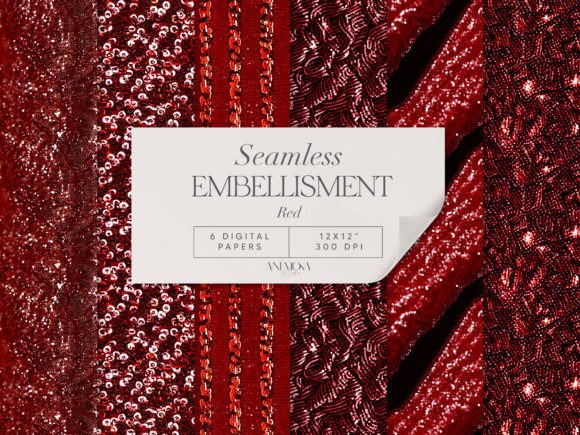
The title alone suggests something bold and festive. Red is a color that demands attention, and when combined with the concept of sequins, it promises a texture that feels luxurious and tactile. In the world of Patterns and Graphics, finding a seamless file that looks premium is rare. The description mentions "Luxury Digital paper," and looking at the high-resolution JPGs, the vibe is undeniably elegant yet playful. It feels perfect for holiday markets, Valentine's Day collections, or any boutique event where customers want a touch of glamour.
Unlike flat prints, the implication of "sequin fabric" suggests depth. For a seller, this means the final piece will catch the light differently than standard thread work. If you are selling handmade products online, this visual cue is gold. It elevates the perceived value of a simple item, making a basic tea towel feel like a gift-worthy treasure.
Best Uses for Market Displays
When I imagine setting up my booth, I need items that show variety but maintain a cohesive brand. This design shines as a focal point on specific categories. First, consider the classic tote bag design. A sturdy canvas tote embroidered with this red sequin motif would be an instant bestseller. The contrast of the deep red against natural canvas creates a rustic-chic look that appeals to the modern shopper.
Next, think about kitchen essentials. Apron embroidery and tea towel embroidery are staples for any craft fair. Because the design is described as seamless and wide (3600px), it offers flexibility. You could use a large section of the pattern as a border on a flour sack towel or center it on a chef's apron. The festive nature of the red sequin look works exceptionally well for giftable handmade items during the winter season.
For smaller, lower-priced impulse buys, this design translates beautifully to embroidered patches and small pouches. Customers love buying little luxury accents. A tiny pouch made from this fabric or featuring this motif is easy to produce in batches and sells quickly at checkout counters. Even pillow covers can benefit from this texture, adding a splash of color to home decor displays.
Selling Points and Production Practicality
One of the biggest challenges for an Etsy seller or small shop product owner is creating content that photographs well. The digital embroidery file provided here is 300 dpi, which is crucial. High resolution ensures that your printable mockup images look sharp on your website. When a customer zooms in on your listing, they need to see the detail. This design allows for that close-up inspection without pixelation.
From a production standpoint, the seamless nature of the file is a huge advantage. It means you can repeat the pattern across multiple items without worrying about awkward cuts or visible seams. This repeatability is essential for commercial embroidery where efficiency drives profit. If you are running a machine embroidery design for a batch of five aprons, the workflow remains smooth and consistent.
However, not every design is suitable for every surface. While this looks stunning on flat fabrics, curved surfaces like caps require careful planning. The curvature can distort the sequin effect if the stitch density is too high. Therefore, while it is a great option for hats, it requires a bit more testing to ensure the curve doesn't flatten the intended sparkle.
Careful-Use Notes for Designers
As a professional, I always advise checking the technical limits before hitting "stitch." The description highlights the visual appeal, but we must talk about the reality of stitching. Dense stitch areas are common in designs that mimic sequins. If the stitch density is too heavy, you risk puckering the fabric, especially on delicate materials like thin cotton or linen.
You must also consider the thread colors available in your shop. To achieve the "sequin" look, you might need metallic threads or specific variegated options. If you stick to standard polyester, the effect might be flatter than expected. Furthermore, check the hoop size requirements. If the design is larger than your standard hoop, you may need to re-hoop, which increases the risk of misalignment.
Small details can get lost in translation. If the original digital art contains tiny text or intricate lines, these might disappear when scaled down for a small patch or a keychain. Always inspect the fabric texture you plan to use. A rough burlap might hide the fine details, while a smooth sateen will show them off perfectly. If you are working with dark fabric, remember that the red sequin effect might lose some contrast unless you use a bright underlay or specific stabilizer technique.
Essential Designer Workflow Tips
To ensure your finished product meets the high standards of a craft fair, follow these steps. First, test the design on scrap fabric. Do not start with your most expensive material. Check how the threads lay and if the fabric stretches as expected. Second, review the spacing. Ensure there is enough room between stitches to prevent bird nesting or thread breaks.
Confirm the stabilizer type you need. Heavy designs often require cut-away stabilizers for durability, especially on items like tote bags that will be washed frequently. Create at least one real mockup before listing the item online. Photos of the actual stitched sample build trust with buyers far better than computer-generated images alone.
Finally, compare different fabric colors. Red looks different on white, black, navy, and cream. Test each combination to see which yields the highest perceived value. And perhaps most importantly, confirm the commercial licensing terms before selling finished products. Knowing your rights protects your business.
Final Verdict
The Red Embroidery Sequin Fabric Paper is a strong addition to any creative entrepreneur's library. It bridges the gap between digital assets and tangible luxury. Whether you are a veteran cricut and embroidery crafter or just starting your boutique maker journey, this design offers a versatile way to elevate your inventory. It captures attention, photographs beautifully, and, when executed correctly, results in a high-quality handmade product that customers will cherish. For those looking to add a spark of joy to their next market booth, this is a design worth stitching.