Turquoise Embroidery Sequin Fabric Paper Review
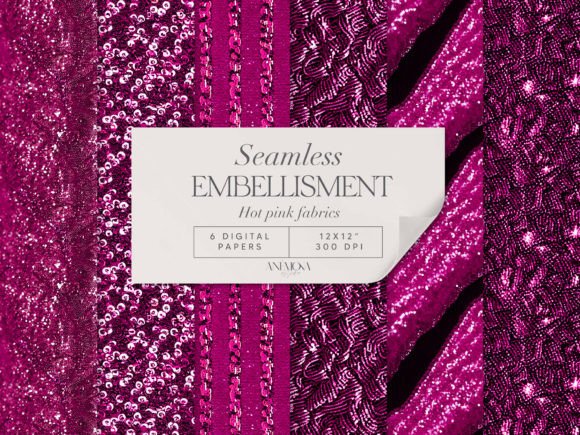
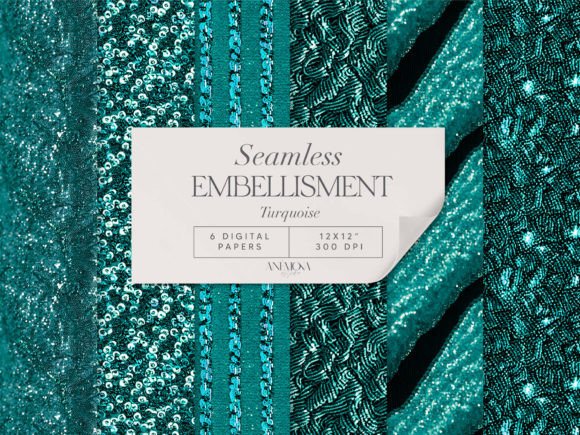
I have spent years reviewing digital assets for my own boutique line and for client work, so I know exactly what to look for before downloading a new file. Most of the time, I am hunting for textures that hold up under the needle or backgrounds that elevate a simple stitch pattern into something luxurious. Today, I am evaluating Turquoise Embroidery Sequin Fabric Paper, a product from Anemona Estudio. At first glance, this isn't just a background; it is a texture asset designed to add depth to your designs. It arrives as six luxury JPG files at 300 dpi, with a seamless width of 3600px. While the description labels these as "Patterns" and "Graphics," I want to be clear about how they function in a real-world embroidery workflow.
The First Impression: A Luxurious Foundation
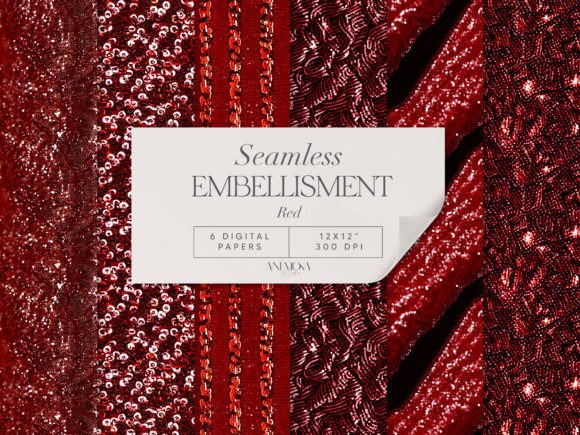
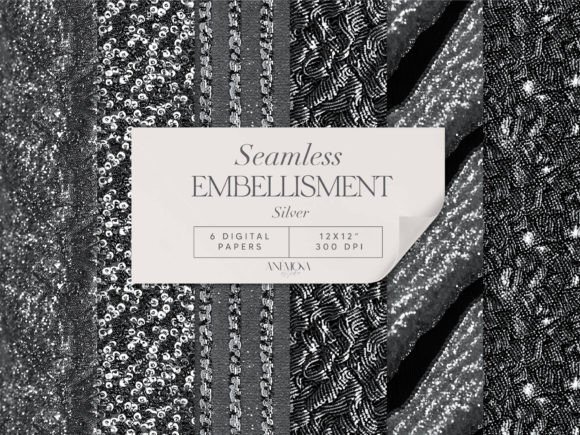
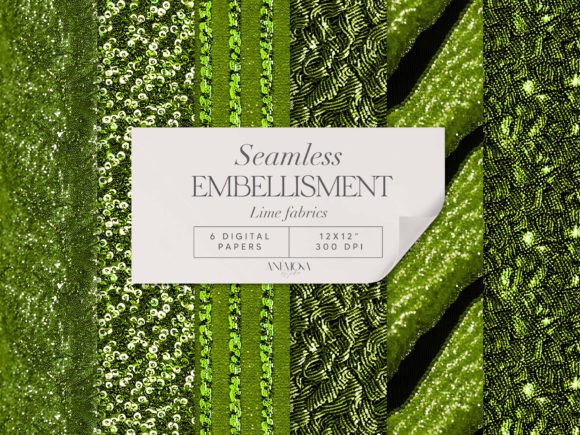
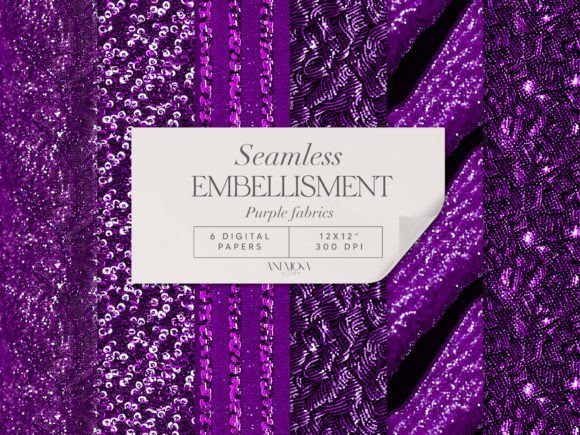
When you open the folder containing Turquoise Embroidery Sequin Fabric Paper, the immediate feeling is one of high-end polish. The turquoise hue is vibrant yet sophisticated, avoiding the cheap, neon tones that often ruin a handmade aesthetic. The sequin texture implied in the design creates an illusion of shimmer that translates beautifully when used as a backdrop for machine embroidery. Unlike flat colors, this asset suggests movement and light reflection, which is crucial for making a finished product stand out on social media or in a physical shop window.
For a designer, the mood here is festive yet elegant. It feels right at home in holiday collections, bridal accessories, or upscale nursery decor. The seamless nature of the 12-inch wide illustrations means you can tile them without seeing harsh edges, making them perfect for wrapping around curved surfaces or creating full-coverage backgrounds for cards and mockups. It is not merely a clip art element; it is a texture layer that changes the perceived value of any project it touches.
A Real Project Scenario: The Custom Holiday Tote
To truly test the utility of this asset, I decided to use Turquoise Embroidery Sequin Fabric Paper in a practical scenario: preparing a custom embroidered tote bag for a holiday craft fair. The goal was to create a gift item that felt premium enough to command a higher price point than standard canvas bags.
I started by importing the JPG into my digitizing software to use as a reference layer. The plan was to place a dense satin stitch monogram in white thread over the center of the sequin texture. The visual contrast between the matte white thread and the simulated shimmer of the turquoise background was striking. In the final presentation, I printed the design onto the fabric using a transfer method (or used the digital file to create a stunning printable mockup for Etsy listings), but the core concept remains: the background does the heavy lifting.
When I showed the mockup to potential customers, the reaction was immediate. They didn't just see a bag; they saw a textured, tactile experience. The Turquoise Embroidery Sequin Fabric Paper gave the impression that the entire surface was encrusted with jewels, even though only specific areas were stitched. This psychological boost in perceived quality is exactly what small business owners need to differentiate their products in a crowded marketplace like Etsy. For a handmade product, this level of detail signals professionalism and care.
Performance in Real-Life Embroidery Situations
While this asset excels as a visual component, its application requires careful planning depending on the end product. If you are creating a custom apparel piece like a sweatshirt or a baby onesie, this texture works best as a digital print overlay or a background for applique rather than a direct stitching target. However, if you are using it as a guide for a complex embroidery design, the results can be magical.
In commercial embroidery projects, such as branded aprons or patches, the turquoise tone offers a cool, refreshing alternative to traditional reds or golds. It pairs exceptionally well with silver or metallic threads, enhancing the "sequin" effect. For tote bag design and kitchen towels, the bright color pops against neutral cotton, drawing the eye immediately to the brand logo. Even for holiday embroidery gifts, the festive sparkle makes it an ideal choice for winter-themed items.
However, there are limitations. If you are working with a small hoop size, the details within the sequin pattern might get lost or appear muddy when scaled down. Similarly, on stretchy fabric or thin materials, the density required to replicate the texture could cause puckering. You must also consider the stitch density; trying to stitch over a busy, textured background can sometimes result in thread breakage if the machine struggles to penetrate the layers.
Where to Use Carefully
As an experienced reviewer, I must advise caution in specific scenarios. Do not attempt to use this texture on dark fabric without a proper underlay or base layer, as the turquoise may not show through correctly. On curved surfaces like caps, the seamless pattern might distort if not mapped correctly, breaking the illusion of the sequins.
Furthermore, avoid using this design for detailed corners or tiny lettering where the texture might compete with the legibility of the text. If your finished product needs to withstand frequent washing, ensure that the underlying fabric and stabilizer choices are robust enough to handle the visual weight of the design. While the digital file is high resolution, the physical execution depends entirely on your setup.
Impact on Visual Appeal and Brand Consistency
The inclusion of Turquoise Embroidery Sequin Fabric Paper significantly boosts the visual appeal of your portfolio. In the world of craft business, images are everything. When you use this asset in your printable mockup previews, you create a cohesive brand identity that screams "luxury." Customers trust brands that present their goods with high-quality visuals. This texture adds a layer of sophistication that generic patterns simply cannot achieve.
It also enhances the giftability of your items. A personalized gift wrapped in a design that features this shimmering texture feels more thoughtful and expensive. For Etsy sellers and small shop owners, this kind of attention to detail can lead to better reviews and repeat buyers who appreciate the effort put into the presentation.
Practical Designer Notes for Success
Before you commit to a large production run, follow these essential steps. First, always test the design on scrap fabric to see how the texture interacts with your chosen thread colors. Check the thread color contrast carefully; while turquoise looks great with white, it might clash with certain warm tones depending on the lighting.
Review your stitch density settings. If you are converting this graphic into actual stitches, ensure the satin stitch or fill stitch parameters are optimized for the fabric type. Confirm your hoop size matches the aspect ratio of the design to avoid cropping important elements. Inspect small details closely; sometimes, high-resolution graphics lose definition when converted to vector paths for embroidery machines.
Additionally, test the design in black and white mockups to ensure the contrast holds up without color bias. Compare how it looks on both light and dark backgrounds to gauge versatility. Always use a proper stabilizer to support the fabric during stitching, especially if you are attempting to mimic the texture physically. Finally, verify the licensing terms to confirm whether you can use this digital embroidery file for commercial projects or if it is restricted to personal use. Knowing the rules protects your business and ensures you are using design assets ethically.
In conclusion, Turquoise Embroidery Sequin Fabric Paper is a powerful tool for designers looking to elevate their embroidery project output. It brings a touch of glamour and texture that resonates with modern consumers. Whether you are crafting a personalized gift or building a brand for a boutique, this asset provides the visual foundation needed to create a standout finished product. Just remember to respect the technical constraints of embroidery and test thoroughly before scaling up.