Embroidery Gingerbread Village Paper Review
As a designer who has spent years turning digital assets into tangible, stitched reality, I approach every new embroidery design with a mix of excitement and skepticism. You never know if a pretty image will translate well onto fabric until you actually run it through the machine. Recently, I got my hands on the Embroidery Gingerbread Village Paper from Anemona Estudio, a seamless 300 dpi JPG intended for faux embroidery and digital mockups. Before I committed to using this in a commercial client project, I needed to see how it would hold up in the real world. Here is my practical breakdown of how this pattern performs when moving from a screen to a finished product.
The First Impression: Warmth and Whimsy
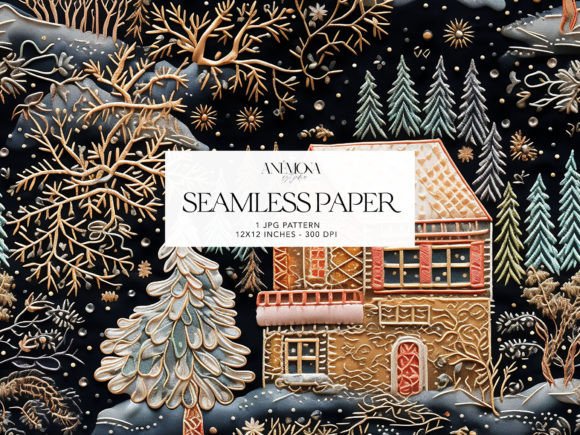
When you first open the file, the mood is immediately established. This isn't just a generic snowflake pattern; it creates a cozy, nostalgic atmosphere that screams "holiday." The layout features charming gingerbread structures arranged in a seamless grid, offering a visual personality that feels both playful and professional. For an Etsy seller or a boutique owner looking to create a cohesive brand identity during the winter season, this kind of thematic consistency is gold.
The resolution is sharp at 3600px, which means the details are crisp enough for high-quality printing or detailed digital previews. However, as someone who knows that digital perfection doesn't always equal stitch perfection, I had to ask: does this translate well to thread? The illustration style relies on clean lines and distinct shapes, which is generally favorable for machine embroidery design. It avoids overly complex shading that often gets lost in satin stitches, making it a strong candidate for applique design or bold fill work.
Real-World Application: The Custom Tote Bag Project
To truly test the potential of Embroidery Gingerbread Village Paper, I simulated a scenario I encounter frequently: preparing a custom embroidered tote bag for a holiday craft fair. Imagine a customer wanting a unique gift that stands out from mass-produced items. They want something handmade, personal, and visually engaging.
If I were to use this pattern as a background texture for a tote bag, the seamless nature of the paper allows me to tile it across the canvas without jarring breaks. In a real-life setting, this could serve as a backdrop for a larger central motif, like a monogrammed name or a large tree. The contrast between the structured village pattern and the organic shape of a lettering font creates a balanced composition. Customers reacting to such a piece would likely perceive it as high-value because the background detail suggests effort and care, elevating the perceived worth of the handmade product.
Similarly, for a small shop selling custom apparel, this design works beautifully on sweatshirts or aprons. The festive theme aligns perfectly with holiday gifts, nursery decor, or even kitchen towels. When a buyer sees a garment with this level of intricate background detail, it signals professionalism. It moves the item away from a simple t-shirt and into the realm of a boutique small shop product that customers are willing to pay a premium for.
Where to Exercise Caution
While the design is versatile, there are specific scenarios where Embroidery Gingerbread Village Paper might struggle if not handled with care. My experience tells me that dense patterns can sometimes become muddy when stitched, especially if the stitch density is too high for the fabric being used.
First, avoid using this on very small hoop sizes. If you attempt to fit the entire village scene into a tiny patch or a cap front, the individual houses and details may blur together, losing their charm. Second, be wary of textured fabrics. While a smooth cotton twill or canvas is ideal for showcasing the crisp lines of the gingerbread village, a heavy fleece or a nubby wool might obscure the finer details of the digital embroidery file.
Stretchy fabrics present another challenge. If you try to embroider this pattern on a stretchy knit material without proper stabilizer, the tension required to keep the pattern flat could cause puckering. Furthermore, on dark fabrics, the color palette of the original JPG might need significant adjustment. If the design relies on light colors to define the gingerbread elements, they might disappear against a black background unless you select high-contrast thread colors. Always inspect small details before committing to a full production run.
Impact on Visual Appeal and Brand Trust
In the world of craft business, visual appeal is everything. A well-executed background pattern like this one does more than just fill space; it adds depth and context to your finished product. When a customer receives a personalized gift with a thoughtfully designed background, it fosters trust. They feel that the maker took the time to curate every element.
This design also supports brand consistency. If you are running an online store, using this pattern in your printable mockup images helps create a recognizable aesthetic. Buyers scrolling through Etsy listings or social media feeds can instantly identify your products by the distinctive gingerbread theme. This recognition is crucial for commercial embroidery projects where standing out in a crowded marketplace is a daily battle.
However, remember that the embroidery file itself must match the quality of the digital preview. If the stitching looks sloppy or the colors are dull, the initial excitement fades quickly. The goal is to ensure that the final physical item matches the promise made in the digital listing.
Practical Designer Notes for Success
Before you rush to download and start stitching, here are some essential steps I recommend based on my review of this asset:
- Test on scrap fabric: Never commit to a final project without a test run. Use scrap pieces of the same fabric type to check how the pattern behaves under the needle.
- Check thread color contrast: Ensure your chosen threads pop against the fabric. If the design is meant to be subtle, choose tones that blend; if bold, go for high contrast.
- Review stitch density: High-density areas can make the fabric stiff. Adjust the settings to prevent the fabric from warping, especially for items like baby embroidery where softness is key.
- Confirm hoop size: Make sure your design fits comfortably within your machine's hoop dimensions without cutting off important details.
- Inspect small details: Zoom in on the JPG to see if any lines are too thin to stitch effectively. Sometimes, what looks good on a screen needs simplification for thread.
- Test in black and white: Convert the image to grayscale to check the value balance. If the design lacks contrast in black and white, it might look muddy in color.
- Use proper stabilizer: Depending on the fabric weight, you may need cut-away or tear-away stabilizers to support the satin stitch and fill stitch areas.
- Licensing check: Confirm whether this Patterns and Graphics asset allows for commercial use on finished goods you intend to sell. This is critical for Etsy sellers and creative entrepreneurs.
The Embroidery Gingerbread Village Paper is a solid addition to any designer's library, particularly for those focusing on seasonal collections. It offers a perfect blend of whimsy and structure that can elevate a simple tote bag design or a sweatshirt embroidery project into a standout piece. By paying attention to fabric choice, stabilization, and testing, you can turn this digital asset into a beloved personalized gift or a best-selling holiday embroidery item.
Ultimately, the success of any embroidery project lies in the execution. This design provides a beautiful foundation, but it is your skill as a maker that brings it to life. Whether you are creating a single embroidered patch for a friend or building a line of apparel decorators merchandise, this pattern offers the versatility and charm needed to engage buyers and build a loyal customer base.