Reviewing Embroidery Pastel Delicate Backgrounds for Holiday Collections
As an experienced embroidery designer, I spend a lot of time evaluating digital assets before integrating them into my seasonal product lines. When I first encountered Embroidery Pastel Delicate Backgrounds, I immediately recognized its potential for upcoming holiday and celebration collections. The soft, inviting aesthetic aligns perfectly with the cozy, emotional tone that defines successful handmade gift markets during this time of year.
This review focuses on how this specific graphic asset fits into real-world production scenarios for Etsy sellers, apparel decorators, and small business owners planning their limited-time drops. We will explore the practical application of these patterns, from initial design concepts to the final finished product.
The First Impression: Mood and Aesthetic Tone
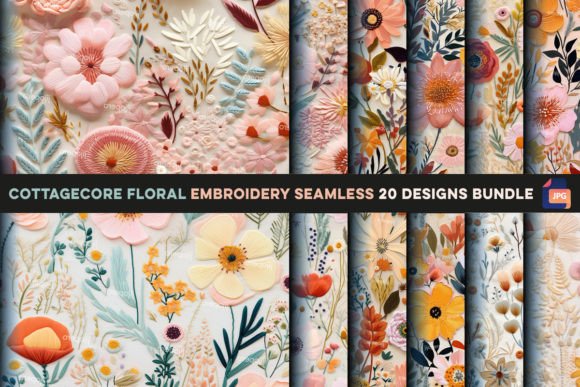
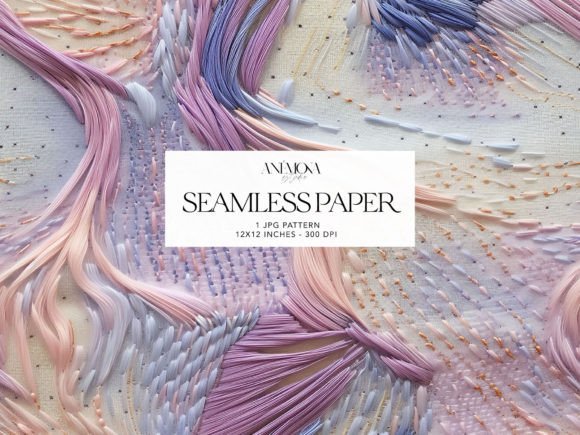
When you look at Embroidery Pastel Delicate Backgrounds, the immediate feeling is one of gentle nostalgia and refined elegance. Unlike bold, high-contrast graphics that scream for attention, this design offers a whisper of style that feels premium and thoughtful. For a holiday collection, this translates to products that feel curated rather than mass-produced.
The pastel palette creates a versatile foundation. It works beautifully for spring celebrations like Easter or Mother's Day, but it also bridges the gap into winter holidays when paired with warm neutrals or metallic accents. The delicate nature of the background suggests a focus on detail and craftsmanship, which is exactly what customers are seeking in a personalized gift. Whether you are designing for baby items, bridal showers, or family matching sets, this pattern provides a consistent visual identity that builds brand trust.
Strategic Applications for Seasonal Product Lines
In my workflow, I treat every new asset as a building block for a larger collection. Here is how I see Embroidery Pastel Delicate Backgrounds performing across various categories:
- Sweatshirt Embroidery: Using this as a subtle backdrop behind a central monogram or holiday phrase adds depth without overwhelming the garment. It elevates a basic sweatshirt into a statement piece suitable for family matching outfits.
- Tote Bag Design: For tote bags, the seamless nature of the file allows for creative placement. You can use it as a full-panel background or crop it for a modern, minimalist logo area. This is perfect for Etsy seller listings where visual appeal drives clicks.
- Kitchen Towel Embroidery: These towels are staple gifts for housewarmings and holidays. The delicate texture mimics fine linens, making the towel feel luxurious even if the base fabric is cotton.
- Pillow Covers: A large pillow cover benefits immensely from a background pattern. It frames the central motif and adds a layer of sophistication that plain fabrics cannot achieve.
- Embroidered Patches: While the original file is a digital paper, the concept translates well to patches used on jackets or bags. The soft colors ensure they look good on both denim and light-colored canvas.
- Gift-Ready Products: From aprons to table linens, this design screams "gift." It reduces the need for excessive embellishment because the background itself carries the decorative weight.
Navigating Technical Challenges and Limitations
While the aesthetic is strong, a professional must always consider the technical constraints of machine embroidery. Embroidery Pastel Delicate Backgrounds is described as a faux embroidery digital paper JPG 300 dpi, RGB seamless. This distinction is crucial. Because it is a digital image intended for printing or sublimation, or perhaps a reference for digitizing, it is not a native machine embroidery file (like .dst or .pes) unless specified otherwise by the creator.
If you plan to use this as a printed background for a hybrid project, you must be mindful of fabric texture. On thick towels or heavy fleece, the print might not lay flat, affecting the overall drape. If you intend to digitize this pattern yourself, pay close attention to stitch density. Delicate backgrounds often require lighter stitch counts to avoid puckering, especially on stretchy garments like t-shirts or leggings.
There are specific areas where caution is required:
- Small Hoop Sizes: If your design includes tiny lettering or intricate details within the pastel background, ensure they remain legible after stitching. Small hoops may struggle to capture the nuance of a delicate pattern.
- Dark Fabric: Pastel colors can appear muted or muddy on dark fabrics. You may need to apply a white underlay or use a different base color to maintain the integrity of the design.
- Metallic Thread: Do not attempt to stitch this delicate pattern with heavy metallic threads. The tension required for metallics often distorts fine details.
- Curved Caps: Complex backgrounds can distort significantly on curved surfaces. Test your stabilizer choice carefully to prevent shifting.
- Repeated Washing: Ensure your chosen thread colors are colorfast. Pastels can sometimes show wear faster than darker shades, so quality control is essential for customer satisfaction.
Impact on Seasonal Appeal and Customer Emotion
The right background pattern does more than just fill space; it influences buyer emotion. In the context of holiday shopping, customers are looking for warmth, comfort, and a sense of occasion. Embroidery Pastel Delicate Backgrounds taps into the desire for a softer, more romantic holiday experience.
For an Etsy shop owner, using this design in product mockups can significantly increase engagement. A photo of a tote bag featuring this soft background against a snowy window or a rustic wooden table tells a story. It suggests that the item is part of a lifestyle, not just a commodity. This visual recognition helps build a cohesive brand identity across your social media previews and listing images.
Furthermore, the design enhances the perceived value of the finished product. A simple shirt becomes a collectible item when paired with a sophisticated background. This allows small business owners to command higher price points for their handmade gifts and personalized gifts, as the customer perceives the added effort and artistic value.
Practical Designer Notes for Implementation
Before adding this asset to your commercial inventory, follow these critical steps to ensure success:
Test Thread Colors: Always test your thread colors on both light and dark fabric swatches. The way pastel hues interact with the underlying fabric can vary greatly depending on the weave and color.
Check Stitch Density: If you are digitizing this pattern, verify that the stitch density is appropriate for the fabric type. Too much thread can cause the fabric to bunch, while too little can leave gaps in the delicate design.
Confirm Hoop Size: Determine the maximum hoop size available for your machine and ensure the design scales correctly without losing resolution. The provided dimensions of 3600px x 12″x12″ are excellent for standard home decor items, but verify they fit your specific production needs.
Use Proper Stabilizer: For delicate backgrounds, a tear-away or cut-away stabilizer is often necessary to support the stitches and prevent distortion. Never skip this step, especially on stretchy materials.
Create Realistic Mockups: Use the high-resolution JPG to create realistic mockups. Show the texture of the fabric and how the light hits the pastel tones. This transparency builds confidence with buyers who cannot touch the physical product.
Plan Matching Palettes: Think about how this background pairs with other elements in your collection. Create a cohesive set of thread colors that complement the pastel tones, ensuring your entire product line looks unified.
Verify Commercial Licensing: Before selling any finished seasonal products, confirm the commercial licensing terms with Anemona Estudio. Ensure you have the right to use the digital embroidery file for resale purposes.
In conclusion, Embroidery Pastel Delicate Backgrounds is a valuable addition to any seasonal product strategy. Its versatility, emotional resonance, and high-quality presentation make it ideal for creating memorable seasonal embroidery projects. By understanding its strengths and limitations, you can confidently integrate it into your next collection of holiday embroidery goods.